
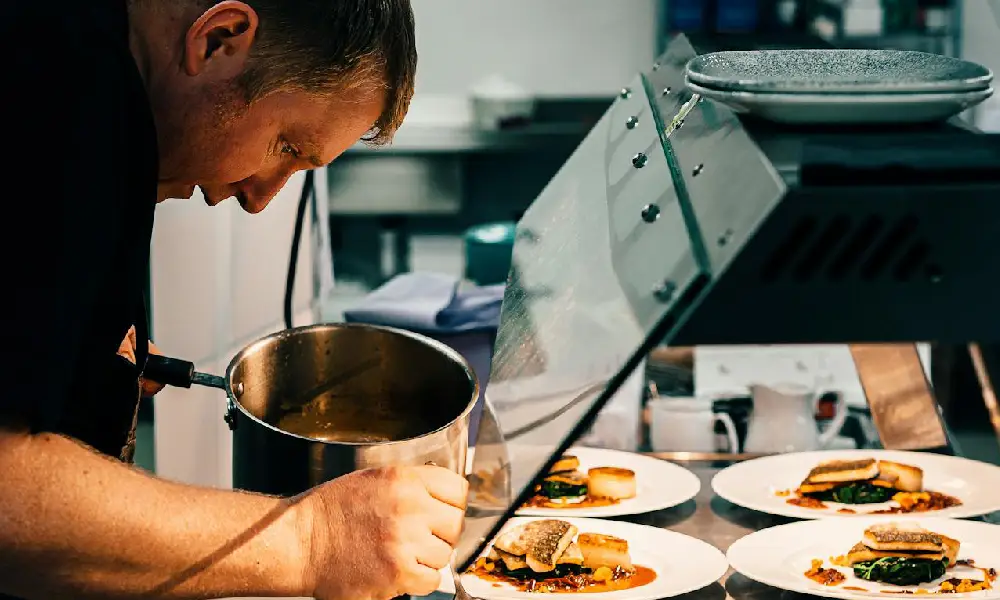
The Australian fine dining scene has experienced an increasing movement to take on Indigenous Australian ingredients and combine these with a unique flavor in the gourmet offerings within the country. Fine dining Brisbane is also a part of this movement with local chefs experimenting with native produce and creating dishes that reflect Australia’s rich culinary heritage. These ingredients add a touch of innovation to the traditional fine dining menus while paying homage to the country’s deep cultural roots.
1. Rediscovering Native Ingredients
Indigenous Australian ingredients, which were once just an afterthought, have gained a lot of attention in recent years. Native plants such as wattleseed, finger lime, bush tomatoes, and quandong are now making their way onto fine dining menus, adding new layers of flavor to Australian dishes. They are chosen for their distinctive tastes: tarty and tangy, earthy and nutty, which add a fresh take on gourmet dining.
2. Sustainability and Ethical Sourcing
Most of the Indigenous ingredients used in fine dining Brisbane are sourced through sustainable harvesting processes. Many of these produce thrive naturally in Australia’s distinct climatic conditions. Hence, they require a minimum degree of farming input to yield. Therefore, not only are they a reflection of the land but are sustainable choices for chefs committed to creating ecologically conscious meals. The use of local produce reflects a commitment to sustainability in the culinary world.
3. The Role of Indigenous Knowledge in Cooking
Through the use of indigenous ingredients recognition is being given to the deep cultural knowledge associated with food which has been passed down for generations. The Indigenous Australians are known to have a profound understanding of the land and its harvests. This traditional knowledge is increasingly being merged with modern fine dining techniques, to both pay respects and preserve the practices. Many chefs are teaming up with communities to ensure that their recipes are authentic and culturally sensitive.
4. Flavour Innovation with Indigenous Ingredients
Fine dining Brisbane is embracing the innovation that comes with using Indigenous ingredients in new ways. Chefs take old ingredients and reinvent them for a modern palate by smoking, pickling, and fermenting them to enhance their flavors. For instance, finger lime is often used with seafood for a zesty contrast, while wattleseed is added to give depth to meats and desserts. This approach showcases these unique ingredients but further elevates them to a level of haute cuisine.
5. Indigenous-Inspired Menus
Many of the great restaurants in Brisbane have even developed a whole menu that focuses on Indigenous ingredients. With such menus, dining becomes an opportunity to travel through Australia’s varied landscapes – the deserts to the coastal region. In many restaurants where these ingredients are the focus, each dish is a story – it tells about the importance of the produce and the culture associated with it. This added layer in the dining experience makes the food richer.
6. Celebrating Diversity in Australian Cuisine
Incorporating the local ingredients into fine dining Brisbane is part of the movement to celebrate the variety in the food culture of Australia. The restaurants, through their inclusion of native ingredients, diversify their menus while instilling national pride. This blending of tradition and modernity is a way for diners to appreciate the rich flavors of Australia while finding out about the complexity and variety of the country’s traditions.
Conclusion
This rising influence of Indigenous Australian ingredients in fine dining Brisbane has given the city a new and exciting dimension in its culinary culture. This usage of native vegetables is not only creative and flavourful, but it also honours the country’s rich cultural legacy. As the fine dining environment evolves, Indigenous products will play an increasingly important role in creating the future of Australian cuisine. It will provide diners with a unique and authentic experience that celebrates history and innovation.